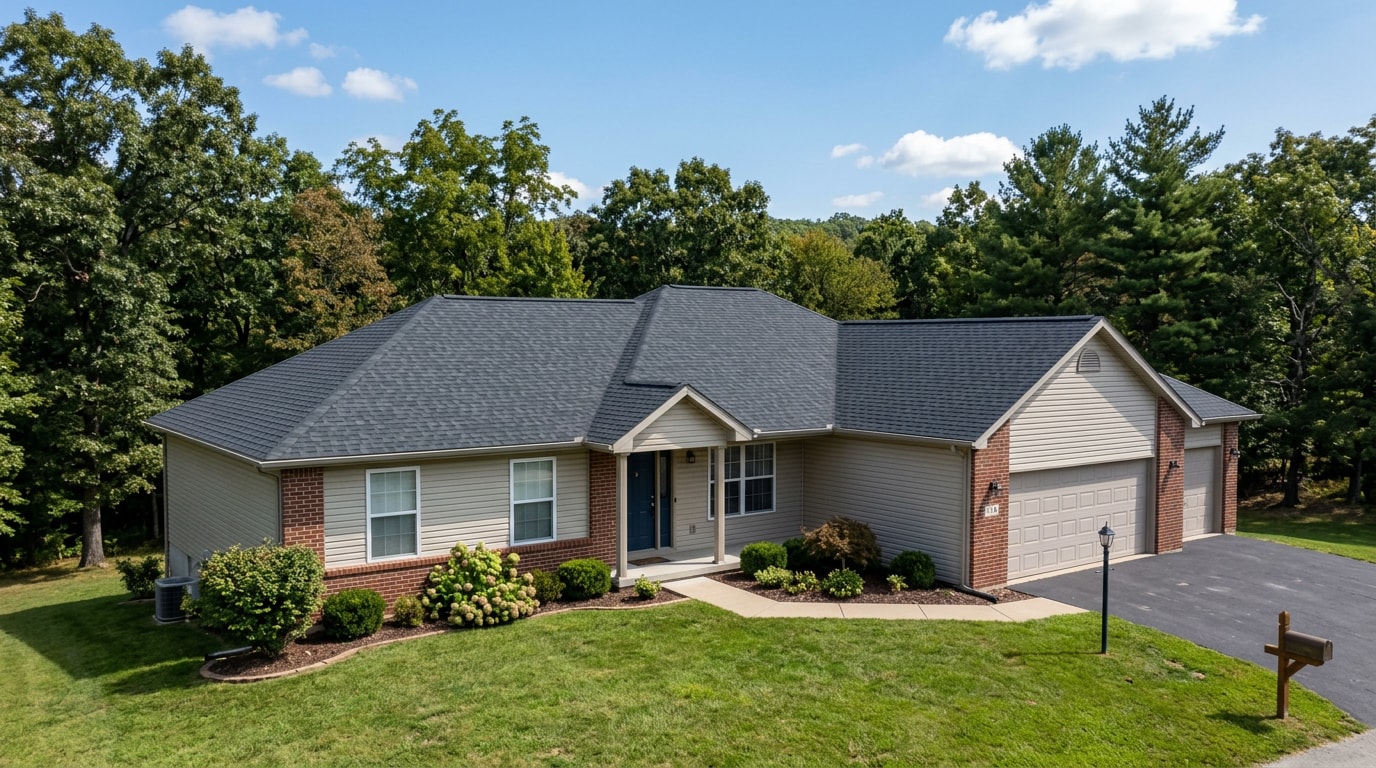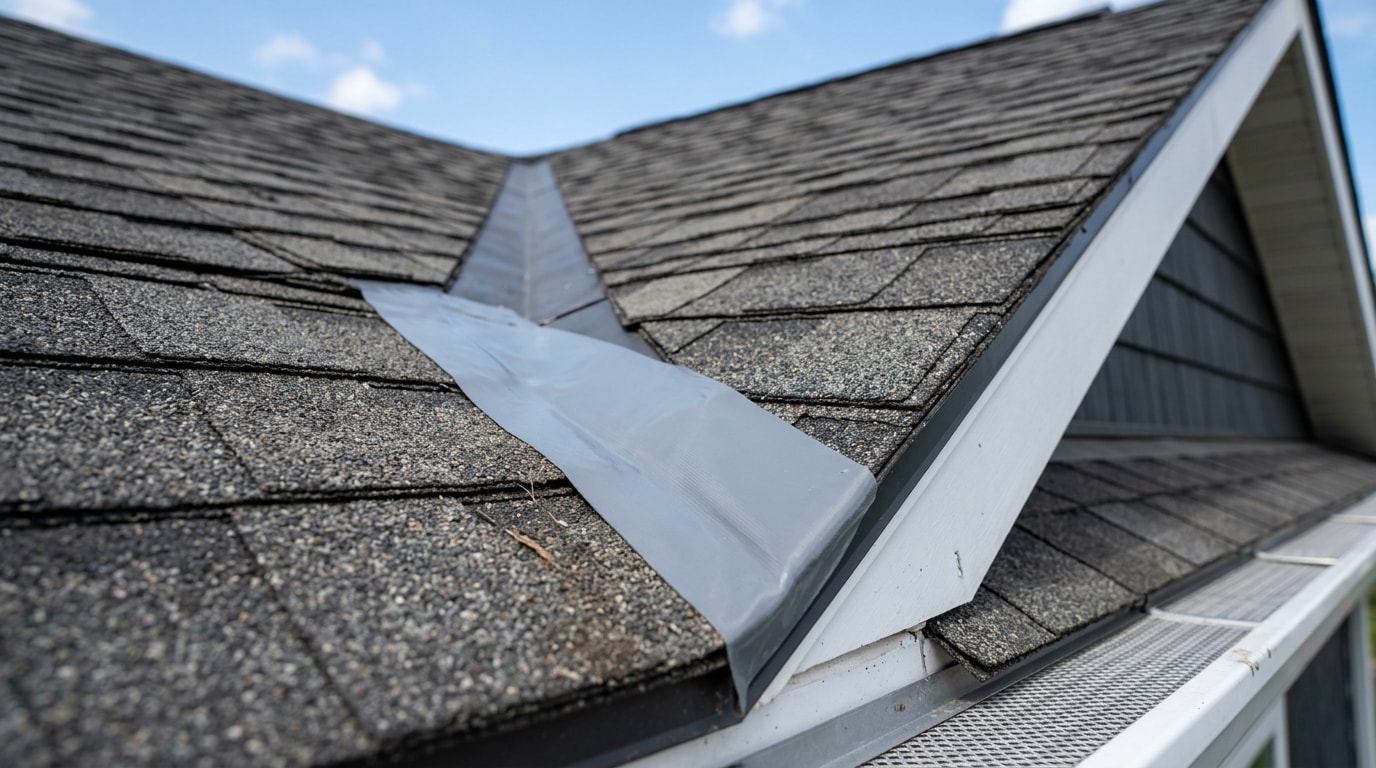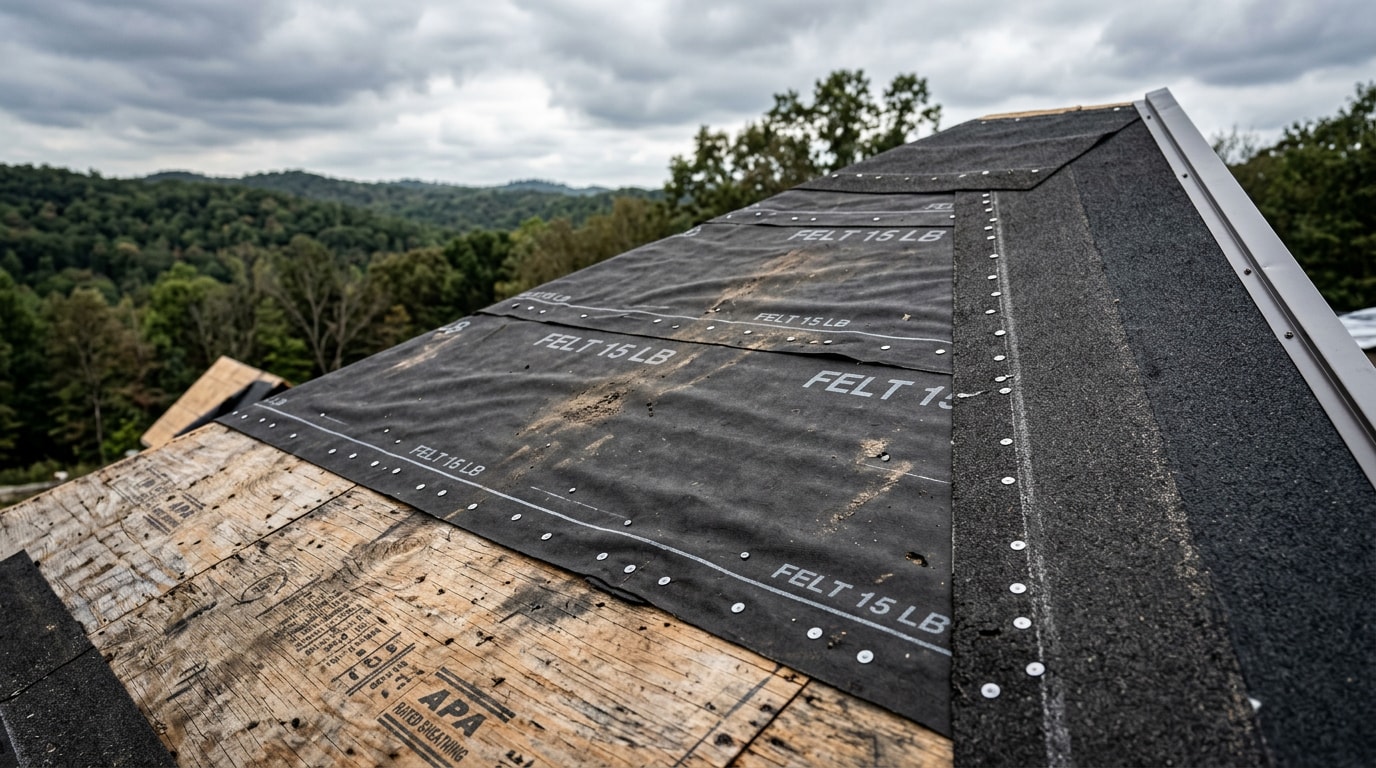
Roof felt in West Plains, MO is still the underlayment most shingle roofs are built on, but it's no longer the automatic choice. Ozark storms move in fast, and the thin layer hidden under your shingles decides whether that rain stays outside or ends up in your attic. This guide compares felt against synthetic and rubberized asphalt underlayment so you know what you're actually paying for before the next roof goes on.
What Is Roof Felt Underlayment, and Why Does It Matter?
Roof felt is the thin, asphalt-saturated layer installed between your roof deck and your shingles. It acts as a second line of defense, catching whatever moisture, wind-driven rain, or debris slips past the shingles above it.
For homeowners researching roof felt in West Plains, MO, this layer matters more than most people realize. It's often the difference between a roof that sheds water cleanly and one that leaks into the attic during a sideways Ozark thunderstorm.
Howell County's weather swings hard between humid summers and icy winters, and the storm season in between can turn a calm afternoon into a wind event fast. That unpredictability is exactly why underlayment choice deserves real thought, not an afterthought tacked onto a shingle quote.
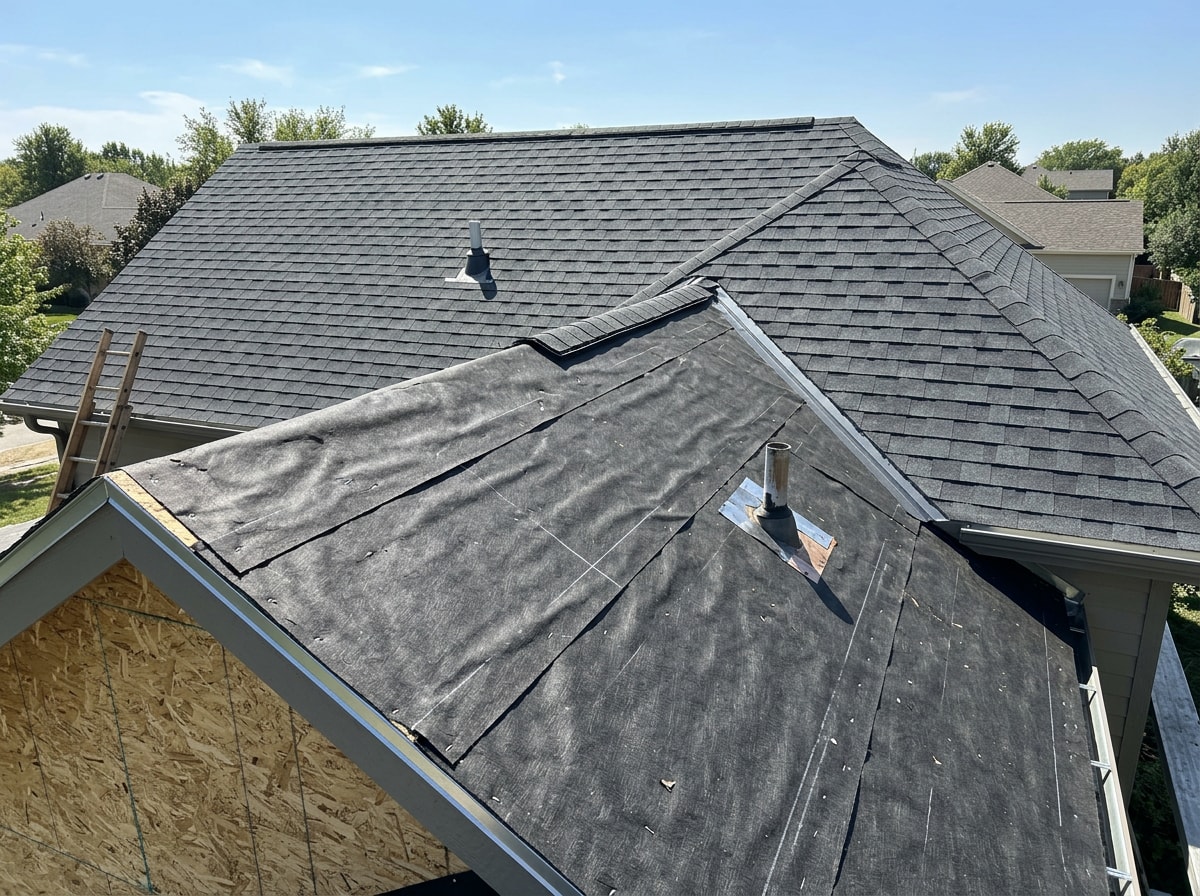
Before comparing materials, it helps to know what felt actually is and where a West Plains roofing contractor typically uses it.
Felt Underlayment: Weights, Materials, and Drawbacks
Felt is one of several underlayment categories roofers install today, alongside synthetic and rubberized asphalt products. It's also the oldest, dating back more than a century in American roofing.
Traditional felt underlayment, sometimes called felt paper or tar paper, is made from organic materials like wood fibers or cellulose, saturated with asphalt for water resistance. Fiberglass-mat versions exist too, offering more stability than all-organic mats. Either way, the asphalt saturation is what gives felt its moisture-barrier properties.
Felt comes in two common weights: 15-pound and 30-pound. The number is a holdover from older manufacturing standards rather than an exact modern measurement, but it's still the shorthand roofers use. Heavier 30-lb felt resists tearing better and holds up longer if it sits exposed before shingles go on, though it costs more and handles less easily than 15-lb rolls.
Our roof replacement crews install both weights depending on the project, but felt has some well-known weak points worth understanding first.
Felt's main drawbacks:
- Heavier and bulkier than synthetic, which slows installation
- Tears more easily if a crew has to walk it in wind
- Wrinkles and buckles if the deck sits exposed overnight and a storm rolls through
- Gets slick when wet, which is a real footing hazard on a steep pitch
That second issue isn't hypothetical. Roofers across the Ozarks have watched a felt deck left exposed overnight get hit by a sudden thunderstorm, a common spring and summer pattern here, and come back the next morning to wrinkled, buckled felt that has to be pulled and relaid before shingling can continue. Synthetic underlayment tends to handle that same overnight exposure with far less damage.
Types of Roof Underlayment: Felt vs. Synthetic vs. Rubberized Asphalt
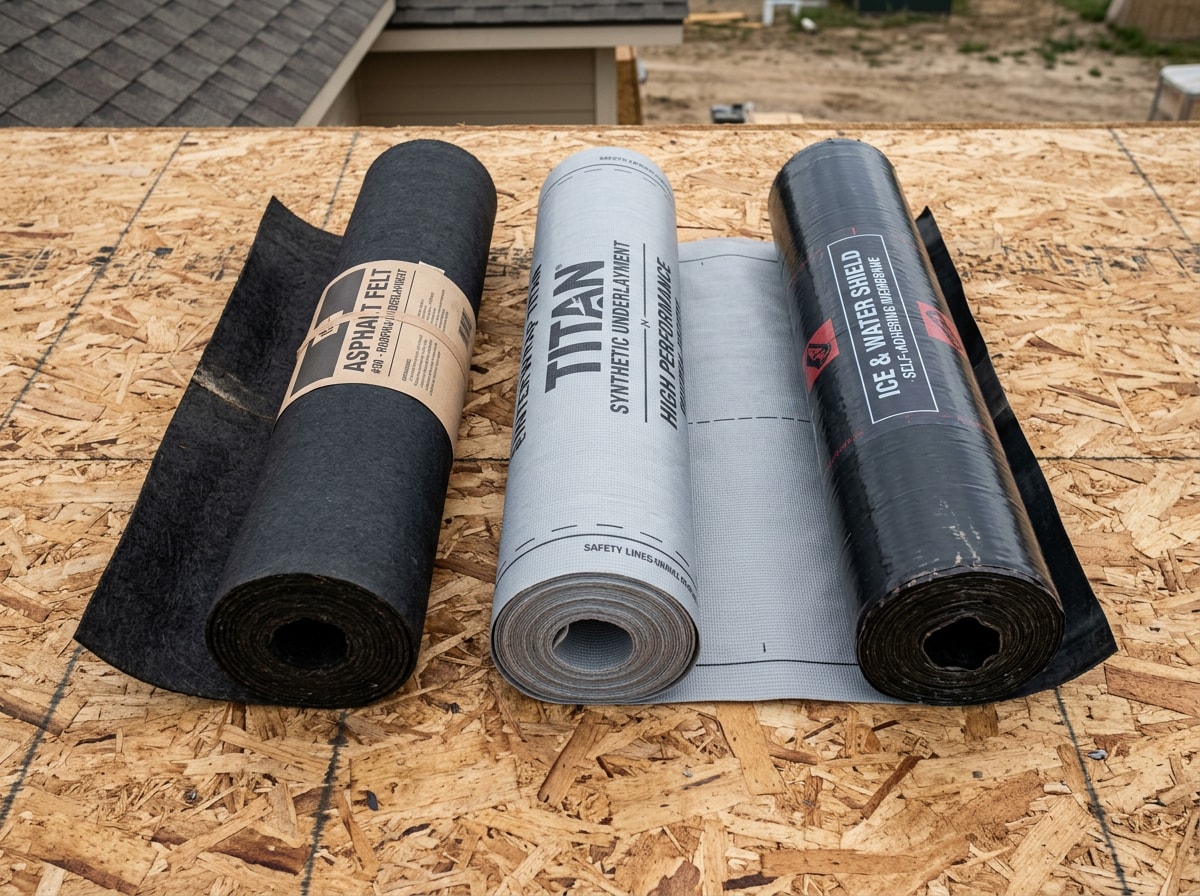
Felt isn't the only underlayment option a West Plains roofer will quote. Most residential jobs today come down to a choice among three types: traditional felt, synthetic underlayment, and rubberized asphalt. Each balances cost, durability, and weather resistance differently, and the right pick often depends on your roof's slope, exposure, and how long the deck might sit uncovered during installation.
Synthetic Underlayment
Synthetic underlayment is typically made from polypropylene or polyethylene sheets, woven or layered to resist UV exposure and moisture far longer than felt can manage while sitting exposed. Premium products add a fiberglass-reinforced layer for extra tear strength without adding much weight, and a synthetic roll often weighs a fraction of a felt roll despite covering more square footage.
Because synthetic underlayment is built from long-lasting polymers rather than asphalt-soaked paper, it generally holds up better to sun exposure, foot traffic, and the freeze-thaw cycles common in South-Central Missouri winters.
Rubberized Asphalt
Rubberized asphalt is the third, premium category worth knowing about. It's self-adhesive, extremely watertight, and usually reserved for vulnerable spots like eaves and valleys rather than the whole roof, since full coverage costs more than synthetic alone.
Side-by-Side Comparison: Felt vs. Synthetic Underlayment
With the basic categories covered, the real question most homeowners ask is simple: synthetic or felt? The answer comes down to performance across six factors: cost, durability, weather resistance, installation, code compliance, and maintenance. The table below breaks down where each material actually wins.
| Factor | Felt Underlayment | Synthetic Underlayment |
|---|---|---|
| Cost per roll | $20–$40 | $100–$200+ |
| Coverage per roll | ~400 sq ft | 1,000+ sq ft |
| Weight | Heavier, bulkier | Lightweight |
| Tear resistance | Lower | Higher |
| Wet-weather exposure | Wrinkles, weakens | Holds up well |
| Typical lifespan* | 15–20 years | 20–50 years |
| Code recognition | Specifically named in IBC/IRC | Requires a code evaluation report |
*Lifespan ranges are approximate and vary by manufacturer, climate, and installation quality.
Cost Comparison
Felt remains the cheaper material up front. A standard roll of 15-pound felt covers roughly 400 to 440 square feet and runs about $20 to $30. Synthetic underlayment rolls cost more, typically $150 to $175, but cover 1,000 square feet or more, which narrows the per-square-foot gap more than the sticker price suggests.
On a typical West Plains ranch-style roof, call it 2,000 square feet of deck, felt materials alone might run $100 to $150, while synthetic materials land closer to $300 to $450. That's a real difference, but it reflects material cost only. Labor, waste, and how long the deck sits exposed during a project can close that gap fast, especially when felt needs replacing after storm damage mid-install.
Factor in longevity, too. Synthetic's longer lifespan often means fewer long-term repair calls, even though the upfront synthetic underlayment cost is higher.
Installation Ease & Safety
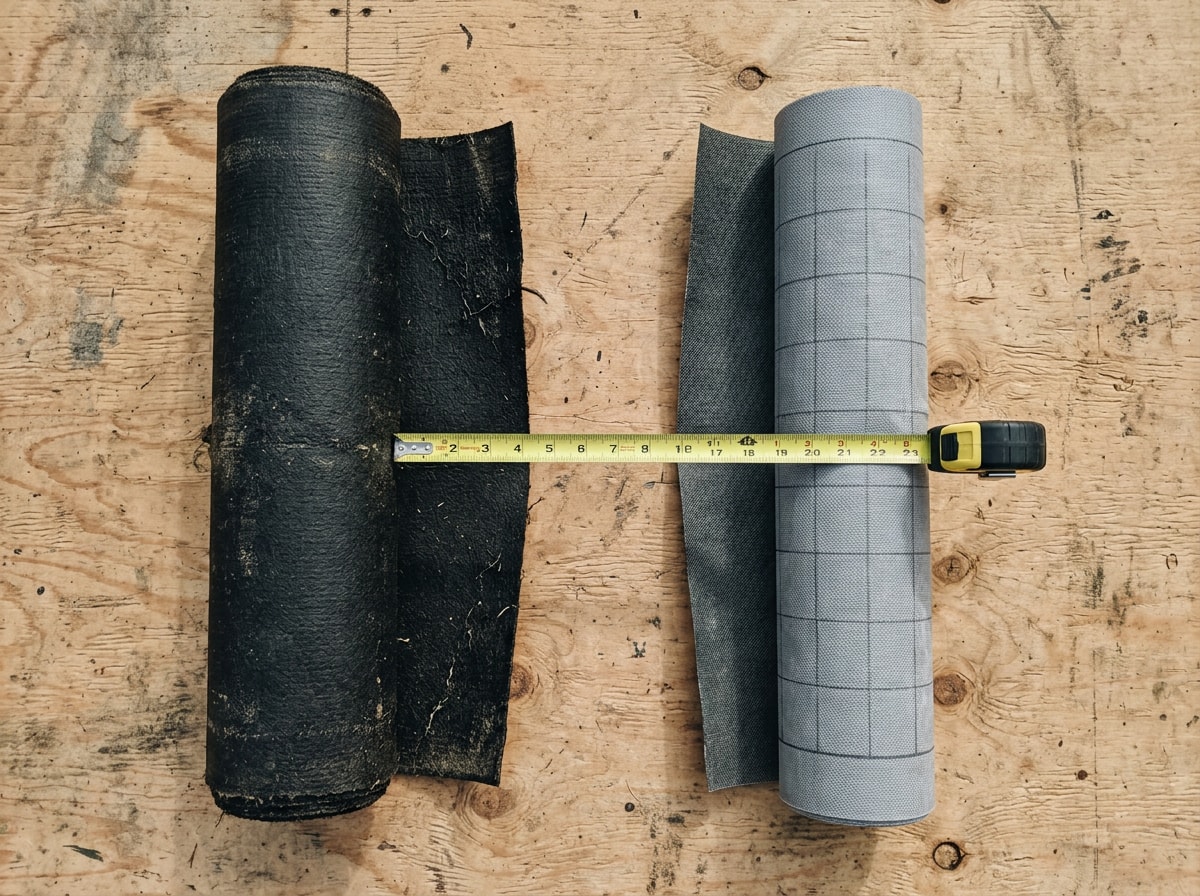
Synthetic underlayment is lightweight and comes in wider rolls, meaning fewer seams and faster coverage across a large roof deck. Many synthetic products also include textured, anti-slip coatings that improve footing for the crew, a meaningful upgrade on a steep pitch.
Felt doesn't offer that advantage. It's heavier to carry up a ladder, tears more easily when nailed, and gets noticeably slick once wet, a real fall risk for anyone walking the deck before shingles go down. Roofing is already one of the more hazardous trades. OSHA's fall protection standards at 29 CFR 1926, Subpart M protect workers exposed to falls six feet or more above a lower level , which is exactly the exposure a slippery, wrinkled felt deck creates. A slip-resistant underlayment isn't just a convenience; it's a safety feature.
How to Choose the Right Underlayment for West Plains Homes
Once you understand what each material does, the decision for most West Plains homeowners comes down to three practical factors: storm exposure, code and warranty requirements, and budget.
Climate and Storm Exposure
South-Central Missouri sees a wide swing between humid, 90-plus-degree summers and freezing winter stretches, plus a spring and early-summer storm season that brings frequent severe thunderstorms. The risk isn't abstract. The highest tornado rating in Missouri on May 26, 2024 was a low-end EF-3 tornado in Howell County, with peak wind speeds of 138 mph that dissipated in less than an hour . Conditions like that put real stress on whatever underlayment sits beneath your shingles, and it's one reason an inspection after a bad storm is worth scheduling even if the shingles look fine from the ground.
Given that pattern, synthetic or rubberized asphalt underlayment is often the better choice for a West Plains roof than traditional felt. Synthetic resists wind-driven rain and holds up better if a storm rolls through mid-project, while felt's tendency to wrinkle or tear under those same conditions can mean redoing work before the shingles ever go on.
Building Code and Manufacturer Requirements
Underlayment choice isn't purely a style preference; it's tied to code and warranty terms. For asphalt shingles on roofs with a slope of 18 degrees (roughly 4:12) or greater, NRCA recommends a single layer of No. 15 asphalt-saturated underlayment, while roofs between 14 and 18 degrees call for a minimum of two layers of No. 15 underlayment . That slope-based rule is one reason a roofer can't just eyeball a quote; the pitch of your specific roof changes what's actually required.
Synthetic underlayment performs well in the field, but it's worth asking your contractor whether the specific product they're quoting has a current code evaluation report, since that affects both code compliance and shingle warranty eligibility. If you're unsure which material fits your roof, a local roofing contractor can walk the deck and make a direct recommendation based on slope and exposure.
Budget
Felt's lower upfront cost is real, and for a roof with a straightforward layout and quick installation timeline, it can still be a reasonable choice. But the cost comparison above shows the gap between felt and synthetic narrows once you account for coverage per roll, and it narrows further when you weigh synthetic's longer lifespan and lower odds of storm damage during installation.
For many homeowners, the smarter move is treating underlayment as a long-term investment rather than a line-item to shave. Get a free estimate that lays out both options side by side for your specific roof before you decide.
If you've also noticed bare patches on aging shingles while you're up there, our guide to roofing granules in West Plains, MO explains what's normal wear and what's a warning sign underneath.
Final Thoughts
Felt, synthetic, and rubberized asphalt each have a place in roofing, but they aren't interchangeable for every job. Felt still works for budget-conscious projects with a tight installation timeline and low storm risk. Synthetic underlayment earns its higher price tag on most West Plains roofs, given the region's storm frequency and temperature swings. Rubberized asphalt fills the gap at vulnerable spots like valleys and eaves, regardless of which main underlayment you choose.
If you're weighing roof felt against synthetic for an upcoming project, start with your roof's exposure and installation timeline, then let cost be the tiebreaker rather than the first filter. That order tends to produce a roof that holds up through an Ozarks storm season, not just one that looked affordable on the quote. Our team at Rick's Roofing has handled both materials across West Plains and the surrounding Ozarks, and contacting us for a walk-through is the fastest way to find out which one your roof actually needs.
FAQ
Is roofing felt necessary?
Yes, some form of underlayment is generally required under asphalt shingles, whether that's felt or synthetic. Whether it specifically has to be felt, rather than synthetic, usually depends on local code and manufacturer shingle-warranty requirements, both of which are generally accepted options.
How long does roofing felt last?
Asphalt-saturated felt under sloped asphalt-shingle roofs typically lasts 15 to 20 years when installed correctly and covered promptly, though actual lifespan depends on felt weight, attic ventilation, and how much sun or moisture exposure it sees before shingles go down. That figure applies to U.S. residential sloped roofs specifically.
Is synthetic roofing underlayment worth the extra cost?
In most cases, yes. Synthetic underlayment costs more upfront, but it often pays for itself through fewer repairs, faster installation labor, and stronger protection against wind-driven rain. Felt can still make sense for short-term or budget-driven projects, but synthetic tends to deliver better long-term value in a climate as variable as South-Central Missouri's.
How much does it cost to install roof felt in West Plains, MO?
Material cost for felt alone usually runs lower than synthetic, roughly $100 to $150 in felt rolls for a 2,000-square-foot deck versus $300 to $450 in synthetic rolls. Total installed cost depends on labor, roof complexity, and whether old underlayment has to be torn off first, so a direct quote on your specific roof is the only way to get an exact number.
Can synthetic underlayment be used instead of felt on every roof?
Usually, yes, but not automatically. Some synthetic products need a code evaluation report to satisfy local building code, and using one that isn't approved can affect your shingle manufacturer's warranty. A contractor familiar with West Plains code requirements should confirm the specific product before it goes on your deck.
About the author: This guide was written by the roofing team at Rick's Roofing, a licensed contractor serving West Plains, Springfield, Branson, and the surrounding Ozarks with roof replacement, repair, and storm-damage work. Questions about felt or synthetic underlayment for your specific roof? Contact us directly.