Roofing tape in Fairgrove, MO is often the fastest way to stop a leak before a storm turns it into ceiling damage. A lifted shingle edge or a cracked flashing seam rarely waits for a convenient Saturday, and the right roll can buy you days instead of hours. Grab the wrong tape for the surface, though, and the "fix" peels loose before the next rain.
Visit Rick's Roofing LLC to see our services and request a free estimate.
What Is Roofing Tape?
Roofing tape is a pressure-sensitive, self-adhesive membrane with a flexible backing and a sticky compound that seals seams, flashing joints, and small punctures without nails, torches, or liquid sealant. It's a repair tool, not a full roofing system. It works by bonding directly to the roof surface to block water intrusion.
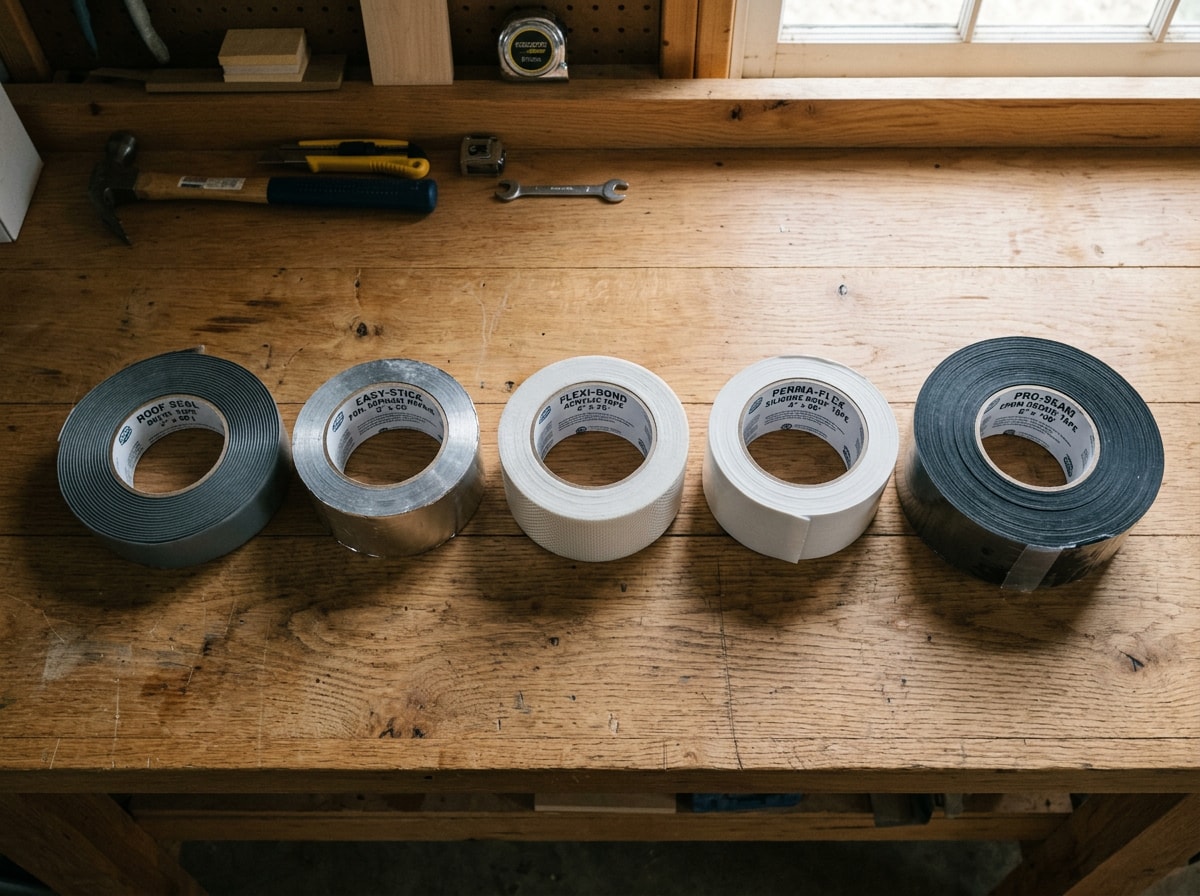
"Roofing tape" is really an umbrella term, not one product. Under that umbrella sit several distinct chemistries: butyl, asphalt-aluminum, acrylic, silicone, and EPDM-specific seam tape. Each is built for a different surface and a different job.
That distinction matters in Fairgrove, where shingles bake under summer sun and then contract hard through freezing nights. A self-adhesive repair only holds up long-term when the tape's adhesive chemistry matches the roof it's applied to.
Types of Roofing Tape Compared
Most taped-repair failures trace back to one root cause: the wrong product family for the surface. Treating "roofing tape" as one interchangeable product is the single biggest mistake homeowners make before a DIY patch.
- Butyl tape is a rubber-based adhesive prized for flexibility and a genuinely waterproof bond, making it the go-to for metal seams and flashing.
- Asphalt (aluminum-foil-faced) tape is the cheap, familiar roll sold at most hardware stores, good for a quick shingle patch but not much else.
- Acrylic tape bonds aggressively to smooth surfaces and resists UV better than butyl in direct sun.
- Silicone/urethane tape stretches and self-fuses, which makes it handy for irregular shapes like pipe boots.
- EPDM seam tape is purpose-built with a primer system for rubber roofing and generally won't bond reliably to anything else.
| Tape Type | Best Surface | Typical Width | Realistic Lifespan | 2026 Price Range (per roll) |
|---|---|---|---|---|
| Butyl | Metal, flashing | 2–6 in | 10–20 years | $15–$60 |
| Asphalt/foil | Shingles (patch) | 4–6 in | 2–5 years | $8–$20 |
| Acrylic | Metal, PVC | 2–4 in | 8–15 years | $20–$50 |
| Silicone/urethane | Pipe boots, irregular joints | 1–4 in | 5–10 years | $15–$45 |
| EPDM seam tape | Rubber (EPDM) roofs | 3–6 in | 10–15 years | $25–$70 |
Lifespan figures above are manufacturer-rated ranges under normal conditions, not a guarantee for every install. Butyl membrane tape made for roofing applications is designed to remain flexible throughout its service life , which is part of why it holds up through repeated freeze-thaw cycles better than a stiff foil patch.
Which Roofing Tape Works for Your Roof Type
Matching tape chemistry to the roof material underneath decides whether a repair lasts five years or five weeks. The leak itself, whether it's a torn shingle, a lifted seam, or a cracked pipe boot, matters less than what that surface is made of.
Most homes around Fairgrove are asphalt shingle or metal roofs rather than commercial membrane systems, so weight your shopping list accordingly even though membrane tapes dominate the technical literature below.
EPDM (Rubber) Roofs
EPDM roofs need tape formulated specifically for rubber membranes, usually paired with a compatible primer. Generic adhesive tape won't grip the slightly chalky, UV-weathered surface EPDM develops over time. Skipping the primer step is the number-one reason seam repairs on rubber roofs fail within months.
Rubber roof repair tape typically comes as a two-part system: a cleaner/primer wipe followed by a self-fusing EPDM tape strip. Pressing generic butyl tape onto an unprimed EPDM seam might hold for a few weeks before the edges start lifting.
TPO & PVC (Single-Ply) Roofs
Single-ply membranes like TPO and PVC require manufacturer-approved cover tape, not a generic butyl roll, if the roof is still under warranty. Most single-ply manufacturers void coverage when unapproved materials touch the membrane. A mismatched tape can look fine on day one and still delaminate within a year, especially on commercial-style flat sections sometimes found on garages or additions.
Metal Roofs
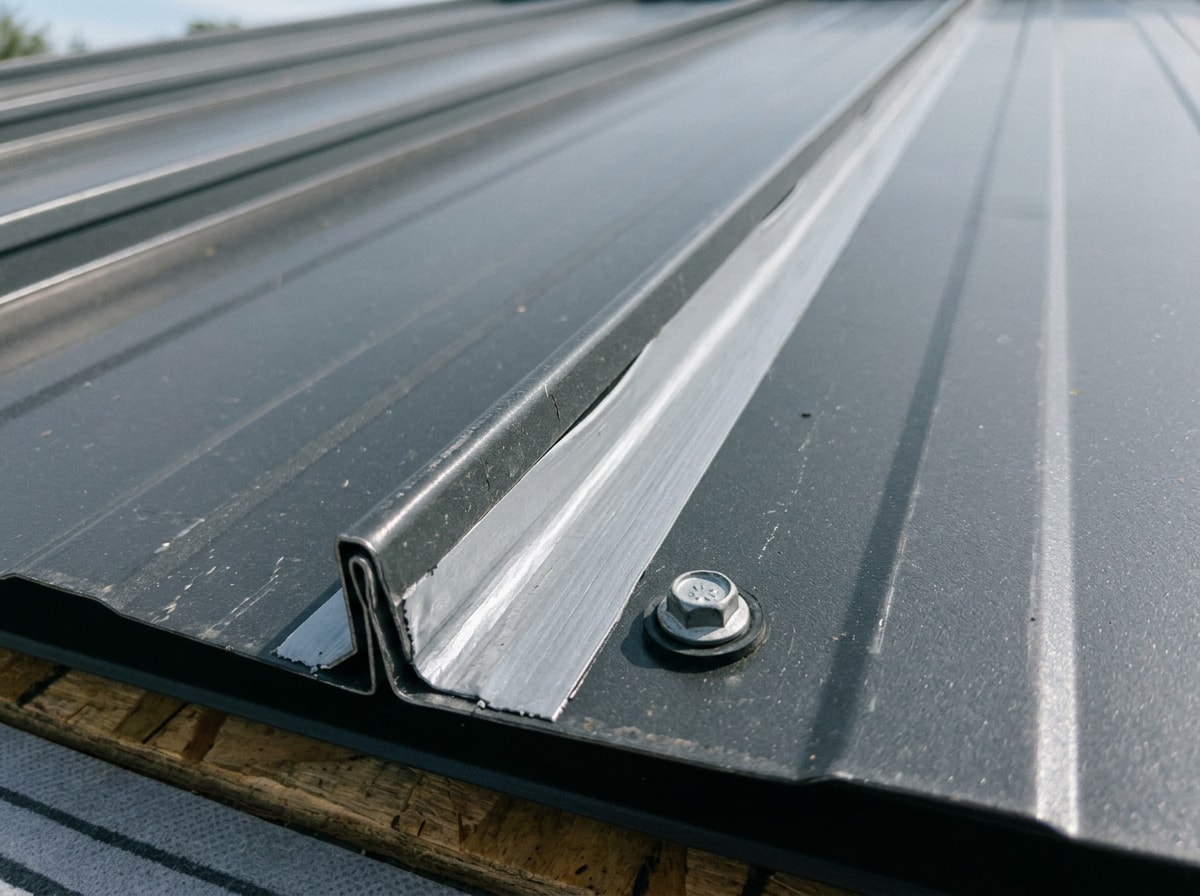
Metal roofs respond best to butyl or aluminum-faced tape for panel seams, pipe boot collars, and ridge trim transitions. Aluminum roofing tape reflects heat and resists the expansion-contraction cycle metal panels go through every day.
Panel seam tape needs to stay flexible through Missouri's wide temperature swings, so a stiff, cheap foil tape often cracks at the seam within a season. For asphalt shingle roofs, the other dominant style in Fairgrove, a similar foil-backed patch tape works as a short-term fix, though it's less durable than true metal-rated tape. If your repair involves standing-seam panels or widespread corrosion, it's worth having a roof repair specialist look before relying on tape alone.
Is Roofing Tape a Permanent Fix? Limits and When to Call a Pro
Some roofing tapes genuinely last 10 to 20 years; others are measured in months. Quality butyl or single-ply cover tape, applied correctly to a protected seam, can function as a near-permanent fix. Asphalt-foil tape slapped over a torn shingle is a stopgap, expect it to need replacing within a couple of years.
What tape can never fix is a systemic problem: rotten decking underneath, widespread granule loss across an aging shingle field, moving structural cracks, or a surface already contaminated with old silicone caulk (nothing bonds well over silicone). If water stains keep spreading after a taped patch, or you're seeing daylight through the decking, it's time to call a roofer rather than add another layer of tape.
Local code also shapes what counts as an adequate repair. The 2021 IRC states that even when a permit isn't required for a repair, the repair still needs to follow code , which means a tape patch over a deeper structural or decking issue can leave a home out of compliance even if it looks dry on the surface. When in doubt, a roof inspection costs nothing and tells you whether tape is even the right tool, or if it's time to get a free estimate on a proper repair.
How to Apply Roofing Tape Step by Step
Skipping prep is the single most common reason a taped repair fails early. The sequence is largely the same across tape types:
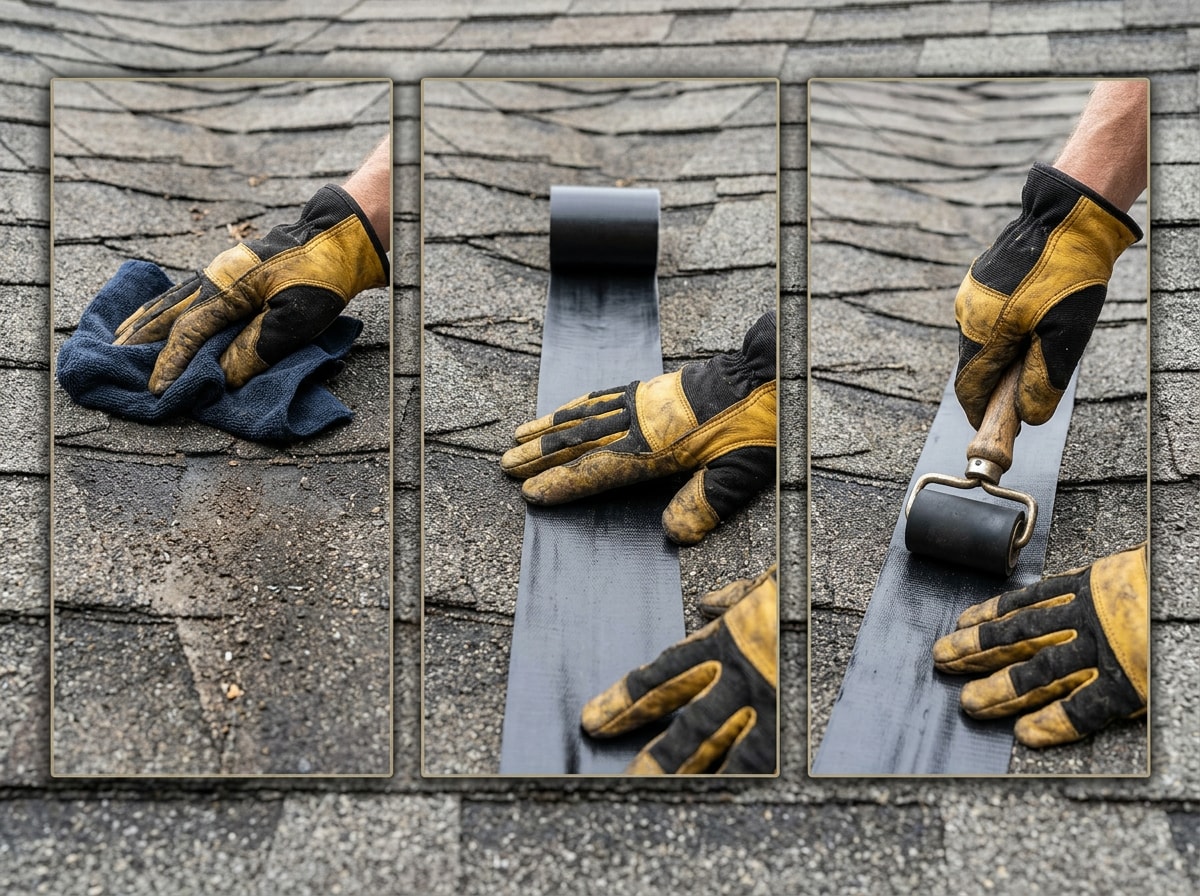
- Clean and dry the surface completely.
- Measure and cut the tape with at least a 2-inch overlap past the damaged area.
- Peel back the release liner in short sections as you go.
- Press from the center outward to avoid trapping air.
- Roll firmly along the full seam with a hand roller.
- Let the bond cure per the manufacturer's timeline before exposing it to standing water.
Common mistakes include stretching butyl tape as you apply it (it will spring back and lift), working in wet or below-40°F conditions, and skipping primer on porous or TPO surfaces that need it.
Surface Prep: Where Taped Repairs Live or Die
A roofing tape bond is only as good as the surface it's stuck to. Dust, algae film, or granule grit under the adhesive is the number-one cause of early peel-back, and even a visually clean roof can carry a fine layer of chalk or pollen that blocks a tight seal.
Manufacturer guidance for butyl membrane tape is consistent on this point: surfaces should be clean, dry, and free of frost, grease, and loose material, and contaminated substrates should be wiped down with isopropyl alcohol before the tape goes on . Porous surfaces, weathered EPDM, and most single-ply membranes also need a primer wipe; skipping it drops adhesion rates fast. Clean and dry isn't a suggestion. It's the actual determinant of whether the repair holds through a Missouri winter or fails by spring.
How Roofing Tape Compares to Caulk and a Professional Patch
Tape, caulk, and a professional patch each solve a slightly different problem, and picking the wrong one wastes money either way.
| Option | Cost | Durability | Best Use Case |
|---|---|---|---|
| Roofing tape | $10–$70/roll | Months to 20 years (varies by type) | Seams, flashing joints, linear repairs |
| Caulk/sealant | $5–$15/tube | 1–5 years | Small gaps, nail heads, pipe penetrations |
| Professional patch | $150–$600+ | 10–25+ years | Structural damage, large leaks, warranty work |
A quality butyl tape often outlasts a bead of polyurethane caulk because it forms a continuous membrane rather than a thin line that can crack. Caulk still wins for small gap-filling around nail heads or tight penetrations where a flat strip of tape won't conform well. For anything beyond a localized seam or joint, a professional patch remains the more durable long-term answer, and our roofing contractor team can tell you which category a given repair actually falls into.
Emergency Leak Repairs During Fairgrove Storms
Southwest Missouri sees frequent severe thunderstorms each spring, and Fairgrove sits squarely in that pattern. The National Weather Service's Springfield office has specifically studied severe weather across this part of southwest Missouri, tracking tornado, hail, damaging wind, and heavy rain events going back decades , which is one reason local roofs take more seam and flashing stress than roofs in calmer climates.
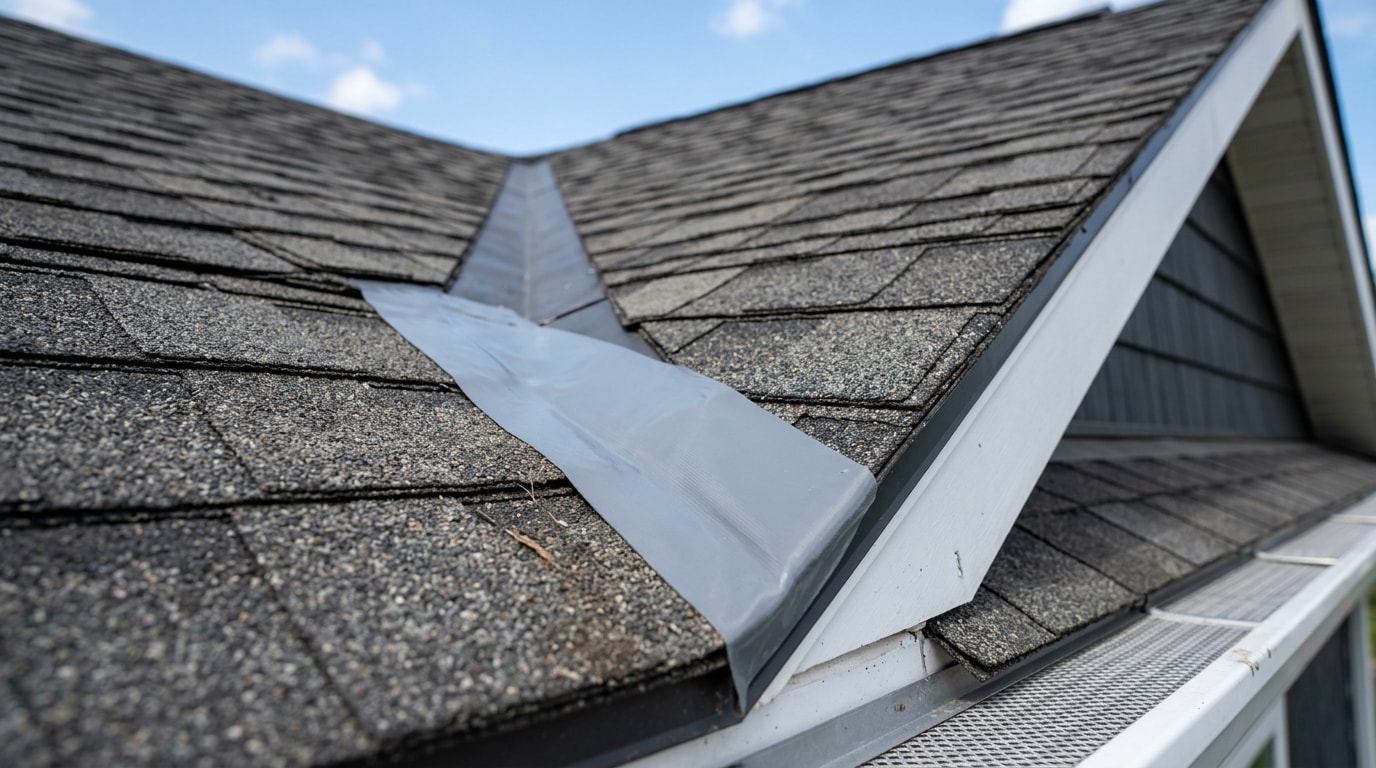
When a storm tears a shingle loose or lifts flashing at 9 p.m. on a Tuesday, roofing tape is often the only realistic option until a crew can get on the roof. A strip of butyl flashing tape pressed over a torn shingle or lifted flashing edge typically outperforms a blue tarp in wind, since tarps rely on weights and ropes that storms routinely rip loose.
Getting on a roof after a storm carries real risk, and it's not something to treat casually. Falls remain the leading cause of work-related deaths among residential construction workers , which is exactly why a quick taped patch from the ground or a stable ladder, applied only in a clear weather lull, beats climbing a wet or storm-damaged roof to chase a leak. Temporary roof leak repair with tape is meant to buy time, not replace a proper storm damage roof repair. Once the weather clears, get the area inspected, and if the damage is more than a single seam, our emergency roof repair team serving Fairgrove, MO can take it from there.
Recommended Roofing Tape by Job (Buying Guide)
Matching the job to the tape family before you shop saves both money and a return trip to the hardware store.
- Metal seams and flashing: butyl tape, $15–$60 per roll, is the reliable default.
- EPDM splice or seam repair: budget for a primer-plus-tape kit rather than tape alone, roughly $25–$70 per roll once primer is included.
- Emergency shingle patch during a storm: a basic aluminum-foil tape under $20 gets you through the night, understood as a temporary measure.
- Single-ply TPO or PVC roofs: check the manufacturer's approved tape list before buying anything, since warranty compliance usually depends on their specified product even if it costs more.
These price ranges reflect typical national retail pricing in 2026 and aren't a project quote. Actual costs vary by brand, roll size, and local availability. If you're also weighing a full roof replacement down the line, our guide to the best roofing shingles for Fairgrove homes breaks down material options beyond temporary tape fixes.
Why Trust This Fairgrove Roofing Tape Guide
This guide was reviewed by the Rick's Roofing team, a licensed residential roofing and exterior contractor serving Fairgrove, Springfield, and the surrounding Greene County area. Our crews log and photograph every taped storm patch we inspect, and mismatched tape chemistry (butyl pressed onto unprimed EPDM, foil tape used on a standing-seam panel) is the most common DIY mistake we see when we show up for a full repair. For a second opinion on any taped patch, visit the Rick's Roofing homepage or contact us directly for a free estimate.
FAQ
How long does roofing tape last?
It depends heavily on the tape type. Quality butyl tape on a protected seam can last 10 to 20 years, while asphalt-foil patch tape typically holds for only 2 to 5 years before it needs replacing. EPDM seam tape and acrylic tape generally fall in the 8-to-15-year range when applied with the correct primer.
Is roofing tape waterproof?
Quality self-adhesive roofing tape forms a genuinely waterproof seal when matched to the right surface and applied with proper prep. Poor surface cleaning, the wrong tape chemistry, or a skipped primer step are what cause real-world leaks, not a flaw in the tape itself.
What is the difference between roofing tape and flashing tape?
Roofing tape is a general term covering seam and repair tapes for shingles, metal, and membranes. Flashing tape is a more specific product built for wall-to-roof transitions, chimney bases, and penetrations, usually with a stronger adhesive rated for those high-stress joints.
How much does roofing tape cost?
Prices range from roughly $8–$20 for basic hardware-store foil rolls up to $200 for professional single-ply cover tape. Butyl tape, the most common mid-range option, typically runs $15–$60 per roll. These are national averages, not a specific quote for any project.
Can roofing tape stop a leak in the rain?
Most self-adhesive tapes bond poorly to a wet surface, so applying tape during active rain usually fails fast. If the roof is actively leaking in a storm, dry the immediate area as best you can first, or wait for a lull, rather than taping over standing water.